Interjections in English Grammar for Kids
Interjections in English Grammar: A Practical Guide for Kids gives families a simple definition: an interjection is a short word, sound, or phrase that expresses a quick feeling or response, such as “wow,” “ouch,” or “oh no.” It may stand alone or appear beside a full sentence without controlling its grammar. Children learn to identify the speaker’s feeling, choose punctuation, and match the expression to the setting. Linking meaning, tone, and punctuation helps speech and story writing sound natural.
📥 Interjections Practice Pack
Feelings, punctuation, sentence practice, and a weekly progress check
Leave your email — we'll send the PDF to your inbox.No spam — the PDF plus one short reminder. Unsubscribe anytime.
What Children Need to Understand
Interjections carry feeling rather than detailed information. “Hooray!” shows joy, “ouch!” signals pain, and “hmm” shows thought. The listener understands the speaker’s reaction, but not the whole event. Details need a complete sentence: “Oops! I dropped the pencil.”
Children should notice meaning, strength, and setting. “Wow!” can express strong surprise, while “Oh, I see” marks a quieter response. “Hey!” may sound friendly among friends but sharp in a formal conversation. Voice and context let the same word express different shades of meaning.
Use Interjections in English Grammar: A Practical Guide for Kids as a shared reference if your child speaks two or three languages. Compare similar reactions without expecting a perfect translation. An expression that sounds polite or playful in one language may have a different tone in English.
How Interjections Work in a Sentence
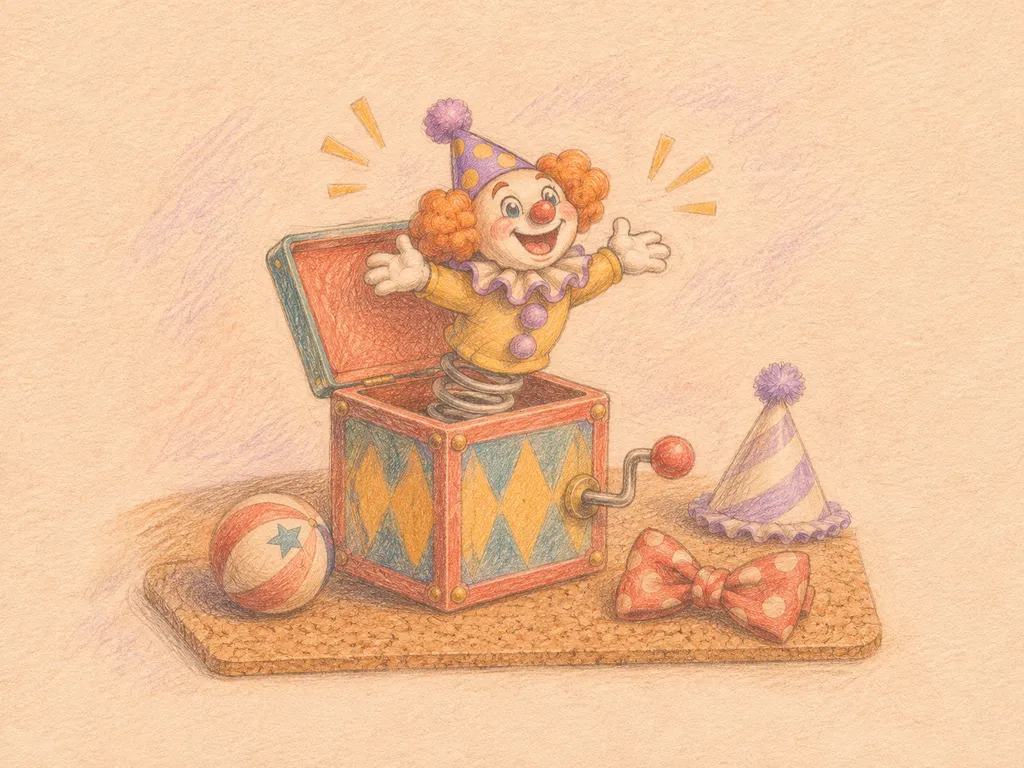
An interjection connects loosely to the rest of a sentence. It is not the subject, verb, or object. Remove “wow” from “Wow, the tower is tall,” and the full idea remains: “The tower is tall.” The interjection adds the speaker’s reaction without changing the grammar.
Interjections can be words, short phrases, or written sounds: “oh,” “goodness,” “oh no,” “uh-oh,” and “phew.” Ordinary words may act as interjections in certain contexts. “Well” describes health in “Your child feels well,” but manages a pause or response in “Well, we need another plan.”
Interjections in English Grammar: A Practical Guide for Kids helps children test the grammar themselves. Ask your child to remove the suspected interjection. If the remaining sentence keeps its meaning and structure, the removed word probably works as an interjection. Context confirms the answer.
Main Types and Useful Examples
Children need no rigid label for every reaction. Practical groups include feelings, physical responses, greetings, calls for attention, thinking sounds, and short replies. The table connects each purpose with language heard in conversation or found in stories.
The groups in Interjections in English Grammar: A Practical Guide for Kids can overlap. “Oh” may show surprise, disappointment, recognition, or concern. Ask your child to read the sentence aloud and name the feeling. Meaning matters more than forcing each example into one category.
Choosing Punctuation and Tone
A comma follows a mild opening interjection: “Well, we can try again.” An exclamation mark suits a strong or sudden response: “Ouch! That hurt.” A question mark can signal confusion or disbelief: “Huh? Did the time change?” Punctuation lets the reader hear the intended voice.
Not every interjection needs an exclamation mark. Compare “Oh, the lesson starts at six” with “Oh! I left my book outside!” The first speaker notices a fact; the second reacts to an urgent problem. Let your child say each line aloud before choosing the mark.
Capital letters follow standard sentence rules. An interjection starts with a capital when it begins a sentence or stands alone. Informal messages may contain stretched spellings such as “soooo” or repeated exclamation marks. Those forms show emotion among friends, but standard spelling and one suitable mark suit school writing better.
Common Mistakes to Fix
A frequent mistake is treating every emotional sentence as an interjection. “What a wonderful picture!” is an exclamation because the entire sentence expresses strong feeling, but it contains no separate interjection. In “Wow, what a wonderful picture!” the word “wow” is the interjection.
Another mistake is using an interjection to join two complete ideas. Interjections add reactions; they are not conjunctions. “Oops, I missed the bus, I will walk” needs stronger punctuation between the ideas. Write “Oops, I missed the bus. I will walk” or connect them with a suitable linking word.
Overuse weakens a story. A line packed with “wow,” “oh,” “well,” and “hey” becomes hard to follow. In LearnLink lessons, children choose one expression that matches the exact feeling. Older learners should check the task: an interjection may suit dialogue or a personal story, but not a formal report.
Practice Activities at Home
The practice in Interjections in English Grammar: A Practical Guide for Kids moves from punctuation to meaning. Ask your child to read each sentence, choose an answer, and explain it. More than one mark may fit, but the voice and situation must support the choice.
Practice 1: Add the Punctuation
Add a comma, exclamation mark, or question mark after each interjection.
1. Oh__ I see the pattern now.
2. Ouch__ That pinched my finger.
3. Huh__ Did the lesson time change?
4. Hooray__ We solved the last clue.
Answers: 1. Oh, 2. Ouch! 3. Huh? 4. Hooray!
For the next activity, ask your child to act out each line after choosing a word. A quiet “wow” and an excited “wow” express different degrees of surprise, so voice and facial expression reveal the intended feeling.
Practice 2: Choose the Best Interjection
Use each word once: well, oops, wow, shh, hooray.
1. __! I dropped the eraser.
2. __! Please speak quietly.
3. __, that rainbow has bright colours.
4. __, we should check the instructions first.
5. __! The model is complete.
Answers: 1. Oops 2. Shh 3. Wow 4. Well 5. Hooray
For the rule wording, Wikipedia — English Grammar is a useful reference while the practice examples here stay adapted for children.
Frequently Asked Questions
These answers address family questions about practising interjections through reading, conversation, and short writing tasks.
At What Age Can Your Child Learn Interjections?
Interjections in English Grammar: A Practical Guide for Kids supports different learning stages. A younger child can connect “ouch,” “wow,” or “hooray” with a face, action, and voice. An older child can compare punctuation, register, and dialogue. Begin with a few direct examples, then add others when your child can explain each feeling.
Is Every Exclamation an Interjection?
No. An exclamation is a sentence or expression showing strong feeling. An interjection is a word or short phrase loosely connected to the grammar. In “What a huge dog!” the complete sentence is exclamatory. In “Wow, that dog is huge!” “wow” is the interjection, while the rest forms a complete statement.
Should Your Child Put an Exclamation Mark After Every Interjection?
No. Match punctuation to the reaction’s strength and purpose. A comma fits a mild opening such as “Well, let us think.” An exclamation mark suits a sudden response such as “Ouch!” A question mark may follow confusion, as in “Huh?” Reading the line aloud helps your child select the mark.
Are Interjections the Same in Every Language?
No. Languages use different sounds, spellings, and social rules for quick reactions. Your child may recognise one feeling across languages but express it differently in each. Compare what the speaker feels, the reaction’s strength, and whether the expression sounds polite in its setting.
How Can You Help Your Child Use Interjections Naturally?
Read a short dialogue and ask your child to circle the interjections. Remove each one and discuss the change: the event should remain, while the speaker’s reaction becomes weaker. Your child can replace an interjection to alter the mood, such as changing “hooray” to “oh no,” then adjust the sentence to match.
A short one-to-one lesson can show what level and pace fit your child — book a trial English lesson.
Stay updated on our latest tips and resources by following us on Instagram LearnLink.