Borrow and Lend for Kids
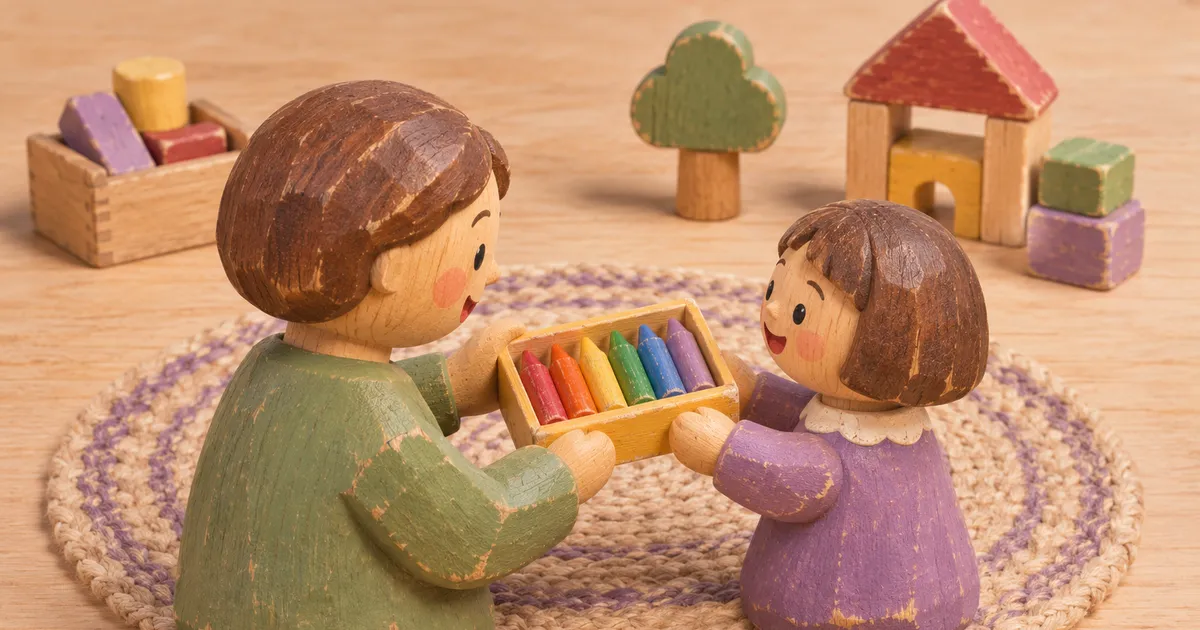
Borrow means to take something temporarily, while lend means to give it temporarily. Borrow and Lend for Kids: A Practical Guide teaches children to choose the verb by tracking an object’s direction. The borrower receives it; the lender gives it. A pencil, comic, toy, or game later returns to its owner. Sentence patterns, short role-plays, and familiar objects help children identify who gives and who receives.
📥 Borrow and Lend Practice Pack
Learn the difference, use the correct patterns, and practise everyday requests.
Leave your email — we'll send the PDF to your inbox.No spam — the PDF plus one short reminder. Unsubscribe anytime.
What Children Need to Understand
Start with the object’s movement. One person owns a book; another wants to use it. The owner can lend the item, while the other person can borrow it. The verbs describe one event from opposite sides.
Use an action to demonstrate the difference. Put a pencil between you and your child. Move it towards your child and say, “You borrow the pencil.” Move it away from yourself and say, “We lend you the pencil.” Then return it to its starting place.
Borrow and Lend for Kids: A Practical Guide includes one practical rule: borrowed things return to their owner. This separates borrowing from taking, receiving a gift, or keeping something. Whether the loan lasts minutes or days, ownership does not change.
How the Two Verbs Work
The main patterns are borrow something from someone and lend something to someone. The prepositions mark direction: something comes from the lender and goes to the borrower.
Each example describes one event from a different viewpoint. Ask, “Who had the ruler first?” and “Who received it?” These questions turn the patterns into a concrete exchange.
In Borrow and Lend for Kids: A Practical Guide, remember: borrow from, lend to. Teach each complete phrase instead of an isolated verb. Phrases are easier to recall in conversation.
Useful Rules and Everyday Examples
Borrow is regular: borrow, borrowed, borrowed. Lend is irregular: lend, lent, lent. Examples include: “We borrow library books each week,” “We took one home yesterday,” and “We have used this title before and returned it.”
Questions often use can or could. “Can I borrow your coloured pencils?” asks to receive them. “Could you lend me your coloured pencils?” asks the owner to give them. A polite reply is, “Yes, but please give them back after the lesson.”
Borrow and Lend for Kids: A Practical Guide covers classroom objects and daily possessions. Children can borrow a board game from a cousin, sports equipment from a club, or a digital device from a parent. A family can lend a favourite story to a neighbour. The grammar remains unchanged across homes and school routines.
Common Mistakes and How to Correct Them
The error “Can you borrow me a pencil?” needs lend because the other person gives the pencil: “Can you lend me a pencil?” The child needing it can ask, “Can I borrow a pencil?”
Children may swap the prepositions: “I borrow a magazine to my friend.” Return to direction: “I borrow a magazine from my friend,” or “I lend a magazine to my friend.” Move a hand towards or away from the speaker to reinforce the choice.
Borrow and Lend for Kids: A Practical Guide treats “I lended it” as evidence that a child understands past time but has not stored the irregular form. Model the correction briefly: “Yes, you lent it yesterday.” Then ask the child to repeat the sentence once.
Practice with Objects and Short Scenarios
Start with safe objects your child can pass across a table. Identify each owner before beginning. This keeps attention on grammar instead of guessing ownership.
Choose the Correct Verb
Complete each sentence with borrow, lend, borrowed, or lent.
1. May I _____ your eraser?
2. We _____ two books from the library yesterday.
3. Please _____ the ball to your brother.
4. Our neighbour _____ us a puzzle.
Answers: 1. borrow; 2. borrowed; 3. lend; 4. lent.
Next, change the viewpoint without changing the event. Children must notice that a new subject may require another verb and preposition.
Rewrite from the Other Side
Rewrite each sentence without changing its meaning.
1. I borrow a comic from my cousin.
2. Our teacher lent us scissors.
3. We lend a card game to our neighbours.
Possible answers: 1. My cousin lends me a comic. 2. We borrow scissors from our teacher. 3. Our neighbours borrow a card game from us.
Finish with questions a child could use elsewhere. Borrow and Lend for Kids: A Practical Guide connects the pattern to a purpose, such as sharing art materials or returning a game.
Complete the Conversation
Fill each gap, then read the conversation aloud.
“Could you _____ me your blue pencil?”
“Yes. You can _____ it until we finish the picture.”
“Thank you. I will give it back.”
Answers: lend; borrow. Try the conversation again with a puzzle, toy, or ruler.
Adapting Practice for Different Ages
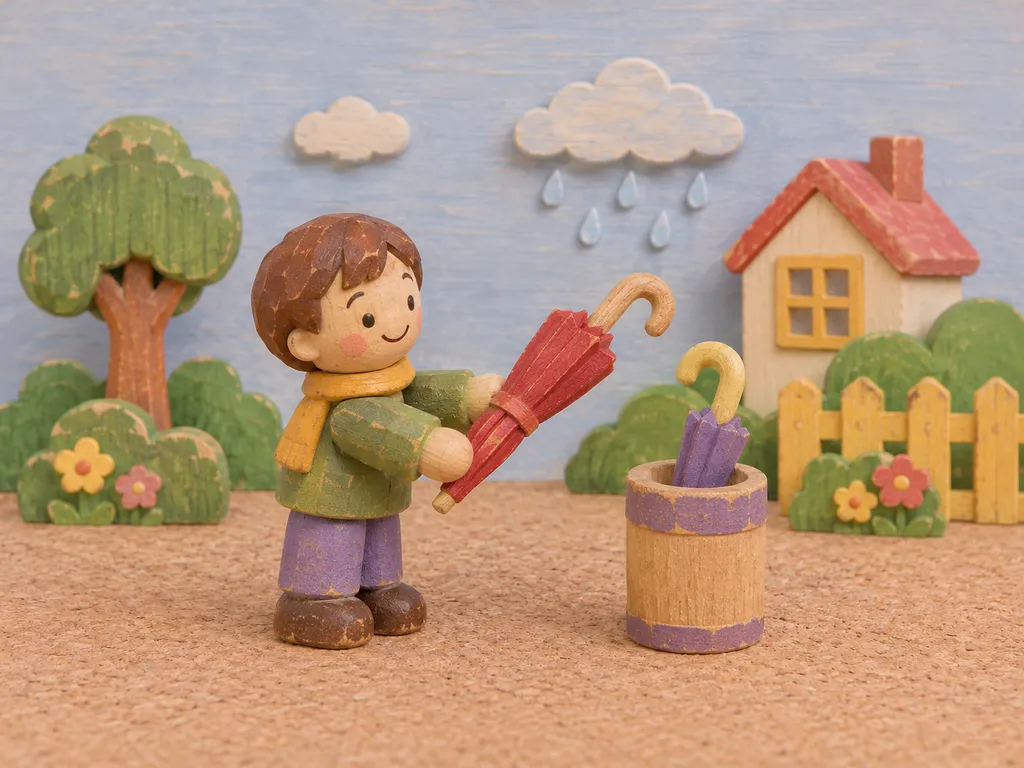
For school-age kids, use one object and two sentences: “You lend the toy. We borrow the toy.” Let the child move it each time. Spoken practice is enough; the written rule can wait.
For school-age kids, add questions, past tense, and role-plays. Older children and teens can compare viewpoints, rewrite sentences, and use both past forms in an account of a real or imagined event.
Children who speak more than one language may express these ideas differently at home. Contrast the English patterns and practise complete sentences. Across LearnLink lessons, our tutors use objects, pictures, and guided conversation to show each verb’s direction.
- Show younger learners two objects and model “borrow” and “lend” with each.
- Use a familiar illustrated story to identify who borrows and who lends.
- Ask older children to rewrite three sentences from each character’s perspective.
- Role-play one exchange, then switch roles and repeat the same request.
- Compare two examples and explain why “borrow” and “lend” cannot swap.
When a word has several meanings or pronunciations, Cambridge Dictionary is a useful check before turning it into child-friendly examples.
Frequently Asked Questions
What Is the Easiest Way to Explain Borrow and Lend?
Use one object to show direction. Say, “You borrow the book from me,” as your child receives it. Then say, “We lend the book to you,” from the giver’s viewpoint. Borrow and Lend for Kids: A Practical Guide uses this contrast: the borrower receives, the lender gives, and the object returns to its owner.
At What Age Can a Child Learn the Difference?
A child can begin once they can take turns with an object and follow a short instruction. Younger children need movement and repeated phrases. School-age children can add prepositions and past forms. Teens can compare sentence structures, especially when their other languages express lending and borrowing differently.
Why Does My Child Say “Borrow Me a Pencil”?
Your child is combining the meaning of borrow with the pattern for lend. Give a natural correction: “Yes, we can lend you a pencil,” or “Yes, you can borrow a pencil.” This confirms the message and models the correct form without interrupting conversation for a long rule.
Should Every Mistake Be Corrected at Once?
No. Correct mistakes that block meaning, occur during practice of these verbs, or keep returning. During fluent conversation, model the correct sentence and continue. Practise the difficult pattern later. Children need accurate examples and room to speak without fearing every error.
How Can My Child Remember the Past Tense?
Repeat the forms aloud: “borrow, borrowed, borrowed” and “lend, lent, lent.” Link each past form to an event: “We borrowed the game yesterday” and “Our friend lent it to us.” Then sort sentence cards into regular -ed and irregular groups before creating new sentences.
For a five-minute review, point to the owner, say borrow from or lend to, and create one past-tense sentence. Practise with three familiar objects today and repeat tomorrow.
If your child needs steady speaking practice, start small — choose a trial lesson.
Stay updated on our latest tips and resources by following us on Instagram LearnLink.